Heartburn, sour burps, and acid reflux for sure.
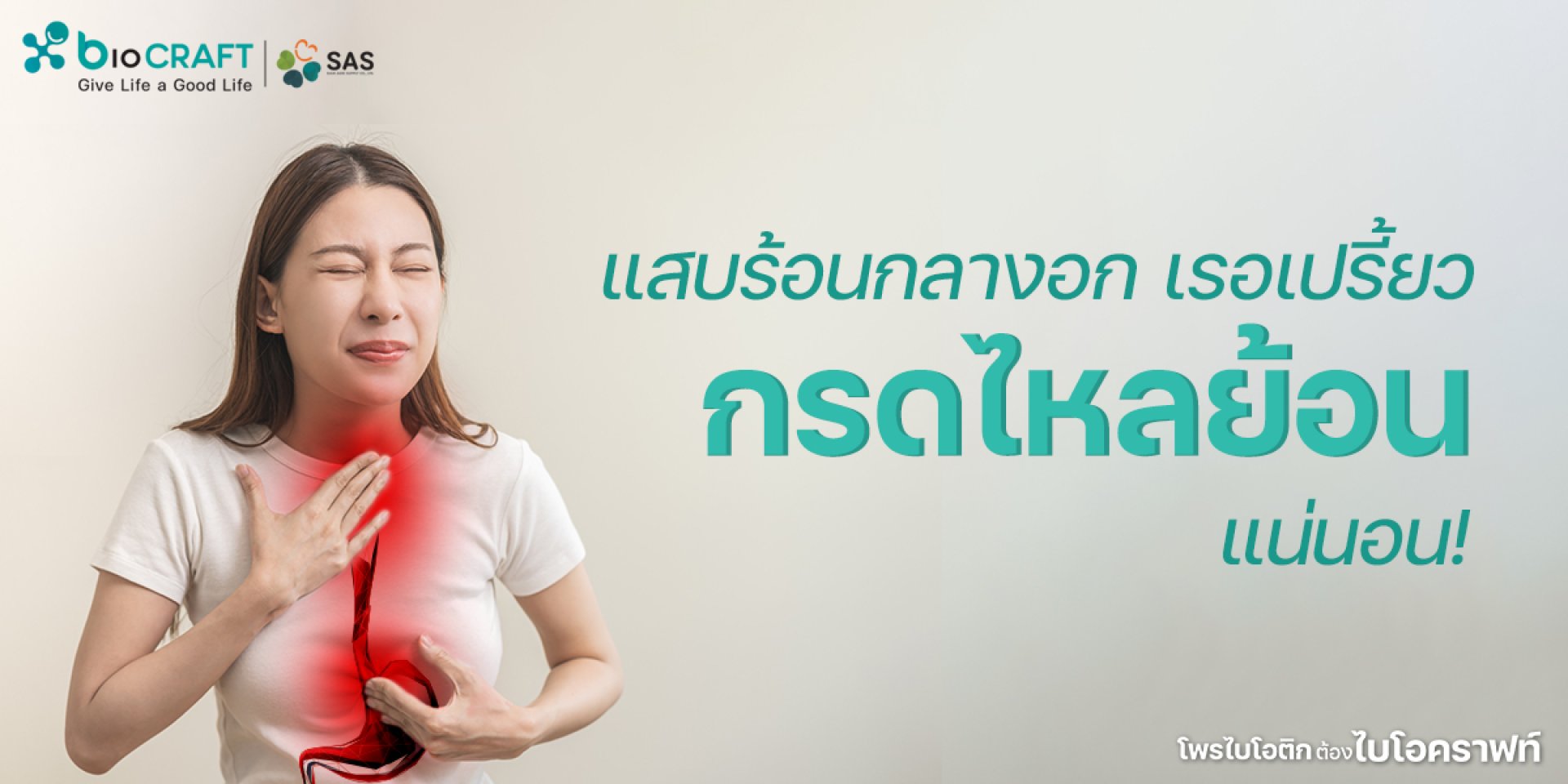
Heartburn, Sour Burps, and Acid Reflux: A Common Issue
Gastro-Esophageal Reflux Disease (GERD), or acid reflux, is a widespread condition. Its prevalence is notably high in Western countries, with an incidence rate of approximately 50-60%. In Thailand, the working-age population is increasingly affected, and the trend continues to rise. What are the causes of GERD, and are there effective treatments?
Causes of GERD
GERD occurs when stomach acid flows back into the esophagus, causing symptoms like heartburn, sour burps, and, in severe cases, difficulty swallowing. Additional contributing factors include late-night meals and staying up late, which can lead to ongoing digestion and increased abdominal pressure. This pressure pushes stomach acid into the esophagus.
Stress is another significant factor, as it triggers the brain to increase stomach acid production. Symptoms such as insomnia, anxiety, and muscle tension can reduce the esophageal muscles function, causing gas and slow digestion. This leads to chest tightness, heartburn, and acid reflux. Chronic stress can also impair the esophageal sphincter, making it unable to block stomach acid from entering the esophagus, resulting in heartburn, sour burps, and nausea.
Risk Factors for GERD
Excessive water intake
Frequent consumption of tea, coffee, carbonated drinks, or alcohol
Smoking
Late-night habits, stress, or anxiety
Pregnancy
Irregular eating schedules
Diabetes patients
Symptoms of GERD
Heartburn
Bloating, nausea, or abdominal discomfort after meals
Chest pain or the sensation of a lump in the throat
Sour or bitter burps that bring acid into the mouth
Difficulty swallowing
Chronic cough
Persistent hoarseness
Treatment Options for GERD
1. Lifestyle Modifications
Adopt habits that reduce GERD risk, such as avoiding trigger foods, improving sleep patterns, and engaging in stress-relief activities.
2. Medications
Treatment varies by symptom severity, ranging from antacids to medications that enhance esophageal sphincter closure, preventing reflux.
3. Supplements
Supplements can help alleviate GERD symptoms. A popular option is bioCAP 7 with INULIN, a product containing seven strains of probiotics. It effectively reduces Helicobacter pylori, a bacterium that stimulates excessive acid secretion. Additionally, probiotics balance the gut, promote digestion, boost immunity, and support metabolism. The supplement also includes inulin, a prebiotic that enhances probiotic growth in the intestines.
Proper management through lifestyle changes, medications, or supplements can significantly reduce GERD symptoms, improving quality of life.