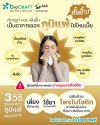
Influenza

Influenza: A Common Illness During the Rainy Season
During the rainy season, when the weather is cool and humid, virusesespecially the influenza virustend to spread more rapidly.
Many people may mistakenly believe that influenza is merely a common cold. However, in reality, it can lead to severe complications, particularly among high-risk groups.
Types of Influenza Virus
Influenza viruses are categorized into three main types:
Type A The most severe and highly contagious, e.g., H1N1 and H3N2.
Type B Infects humans, with moderate severity.
Type C Rarely found and typically causes mild symptoms.
The virus can be transmitted through respiratory droplets from coughing, sneezing, or even talking at close range without a face mask.
Symptoms to Watch For
High fever
Chills
Muscle aches
Runny nose
Dry cough
Sore throat
Fatigue
Loss of appetite
Severe cases may include:
Difficulty breathing
Shortness of breath
Pneumonia
High-Risk Groups
Young children (ages 6 months to 5 years)
Elderly individuals
People with weakened immune systems
Patients with chronic illnesses such as diabetes, heart disease, or asthma
Pregnant women, especially during the second and third trimesters
Possible Complications
Pneumonia
Asthma exacerbations
Bronchitis
Heart failure
Febrile seizures
Recommended Preventive Measures
Wash hands frequently with soap or alcohol-based hand sanitizer
Avoid touching the eyes, nose, and mouth
Wear a face mask when going outside
Regularly clean personal items and shared surfaces
Avoid crowded areas, especially where people are coughing or sneezing
Although influenza is not a new disease, repeated infections and the spread of the virus within households are still common during the rainy season. Therefore, it is essential to take proactive measures and monitor symptoms closely to ensure timely medical attention.