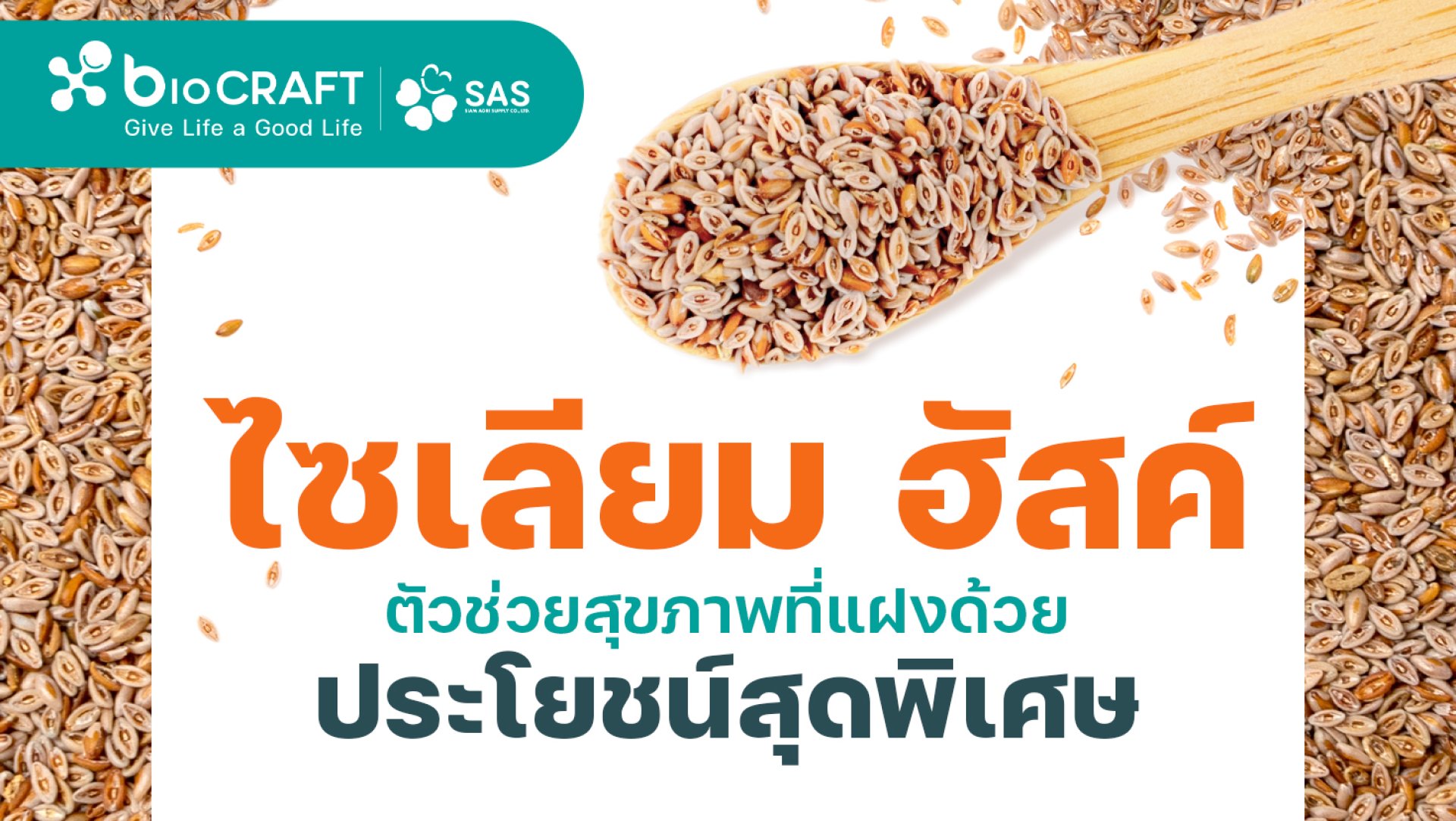
Psyllium Husk: A Health Aid Packed with Special Benefits
Last updated: 19 Mar 2025
2437 Views
Benefits of Psyllium Husk
1.Relieves Constipation and Diarrhea
- It helps to increase stool bulk, making it softer and easier to pass.
- It absorbs excess liquid in the intestines, reducing diarrhea symptoms.
2.Reduces the Risk of Hemorrhoids
- It protects against injuries in the intestines and rectum.
3.Aids in Weight Management
- It swells in the stomach, keeping you feeling full longer and reducing appetite.
4.Lowers Blood Pressure and Heart Disease Risk
- It reduces blood fat levels and decreases the risk of heart disease.
5.Lowers the Risk of Diabetes
- It helps control blood sugar and insulin levels.
Precautions for Using Psyllium Husk
1.Excessive Consumption
- Overconsumption may lead to constipation or obstruction if not enough water is consumed.
2.Interference with Drug Absorption
- It may reduce the efficacy of certain medications, such as aspirin or heart medications.
3.Side Effects and Allergic Reactions
- It might cause rashes, itching, or breathing difficulties.
Recommendations for Consumption
- Take it 1-2 hours before meals.
- Drink plenty of water to assist with the fibers swelling.
- Consult a doctor if you are pregnant or have underlying health conditions.
"Psyllium Husk is a health aid that should be kept at home, but it should be used with caution to maximize its benefits."

Related Content


Date: July 31 – August 3, 2025 | Venue: Queen Sirikit National Convention Center
6 Aug 2025

Gumboro Disease in Poultry - Symptoms and Treatment
Pathogenic bacteria in the gastrointestinal tract of animals produce toxins or specific proteins that damage or impair the intestinal wall. This process affects the animal's immune system and can sometimes cause inflammation in the gastrointestinal tract. Common pathogens found in poultry and swine include Salmonella spp., Escherichia coli, Clostridium perfringens, Clostridium difficile, Campylobacter spp., Yersinia spp., and Shigella spp.
(Referencing Wiriya, 2019). In this article, SAS focuses on a key pathogen in the broiler chicken industry: Escherichia coli (E. coli).
10 Dec 2024
